
Appalachia
Appalachia is made up of 423 counties
across 13 states
… from Southern New York to Northern Mississippi. The region’s 26.6 million residents live in parts of Alabama, Georgia, Kentucky, Maryland, Mississippi, New York, North Carolina, Ohio, Pennsylvania, South Carolina, Tennessee, and Virginia, and all of West Virginia.
The region also comprises three federally recognized and five state recognized Native American tribal communities, with tribal entities in Appalachian Alabama, Georgia, Mississippi, New York and North Carolina.
and spans 206,000 square miles
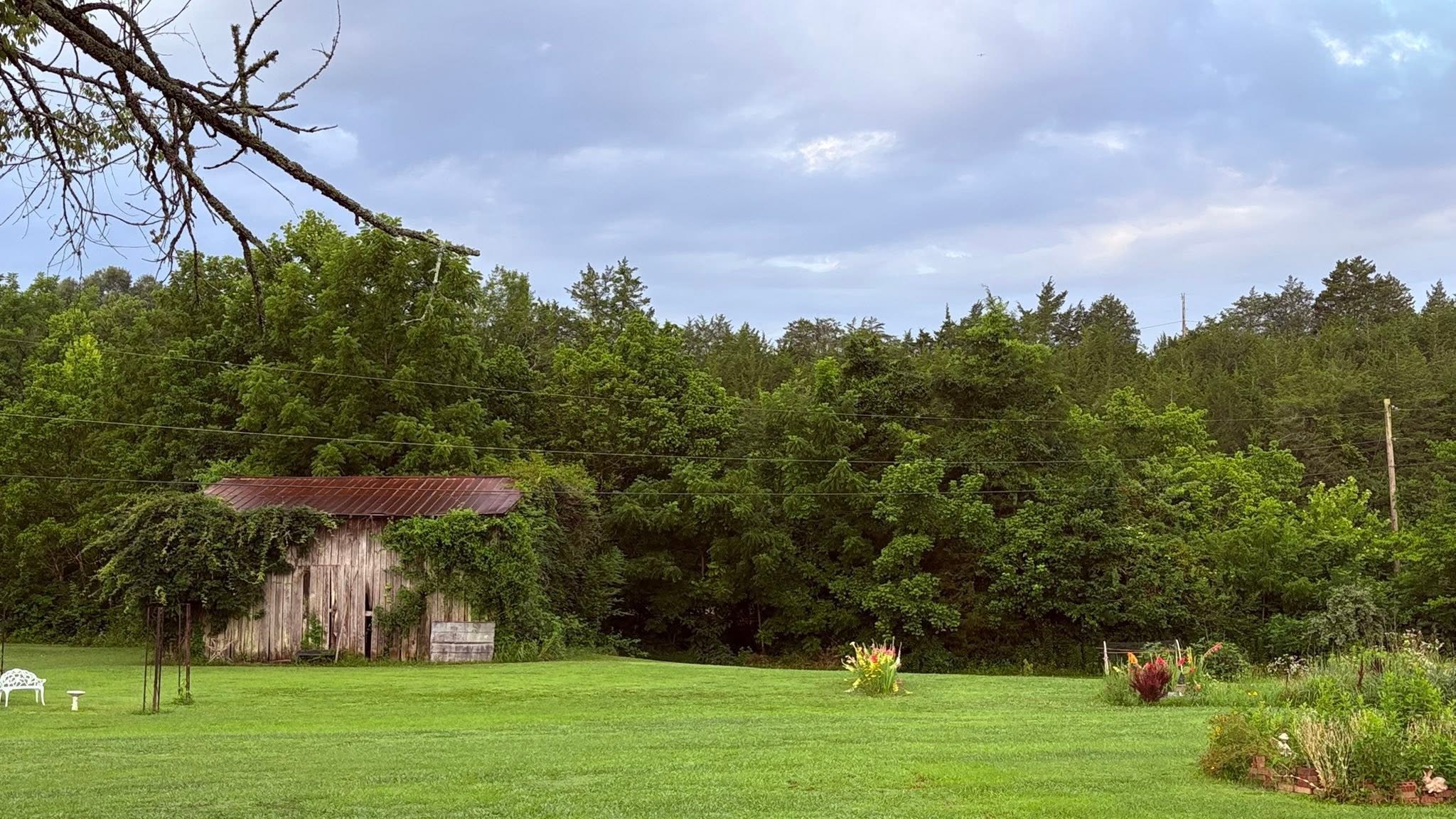
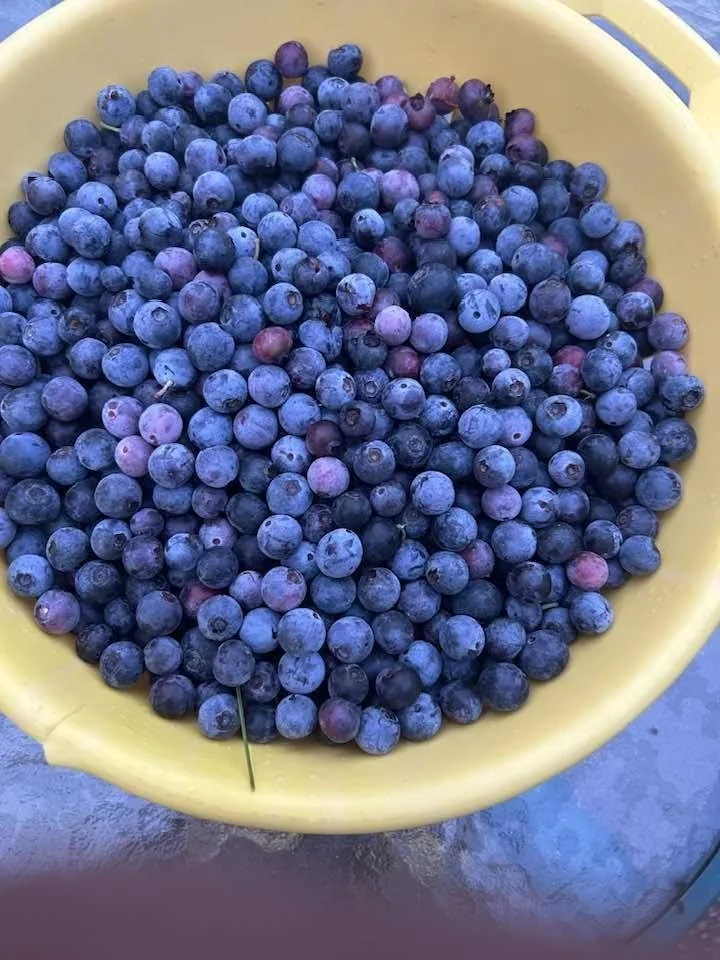
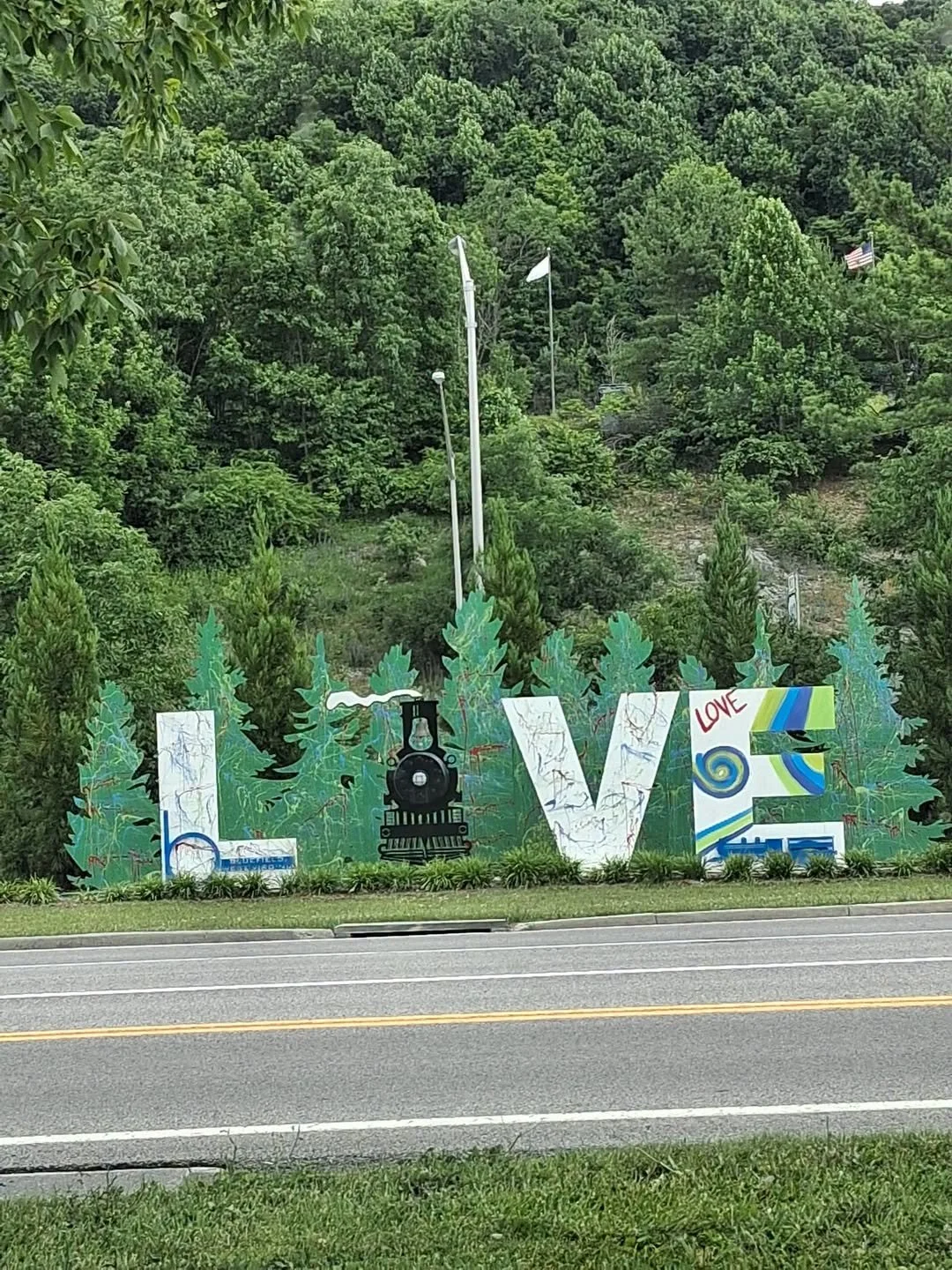
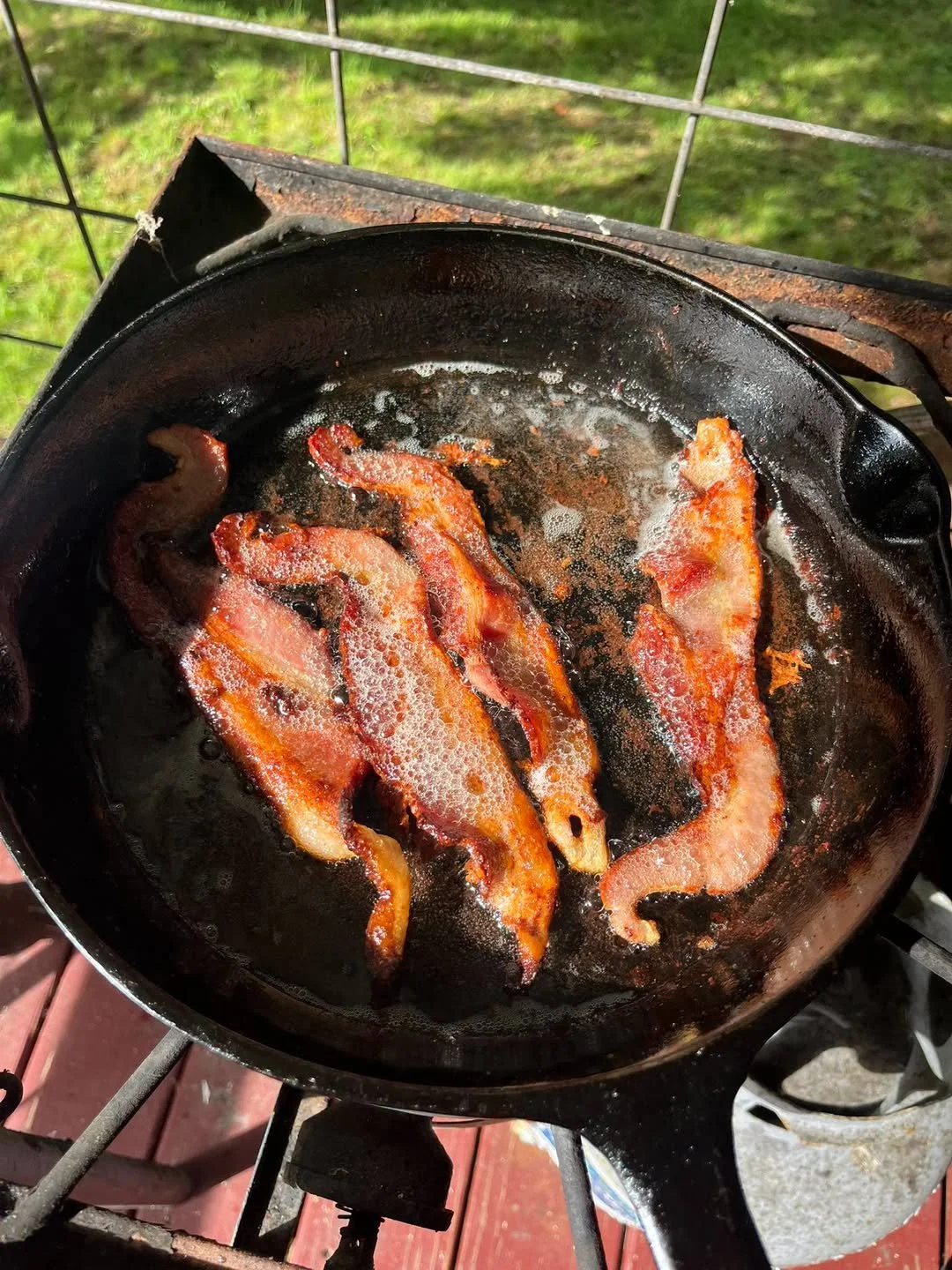
Data from Appalachian Regional Commission | Images from Appalachian Americans Facebook Group
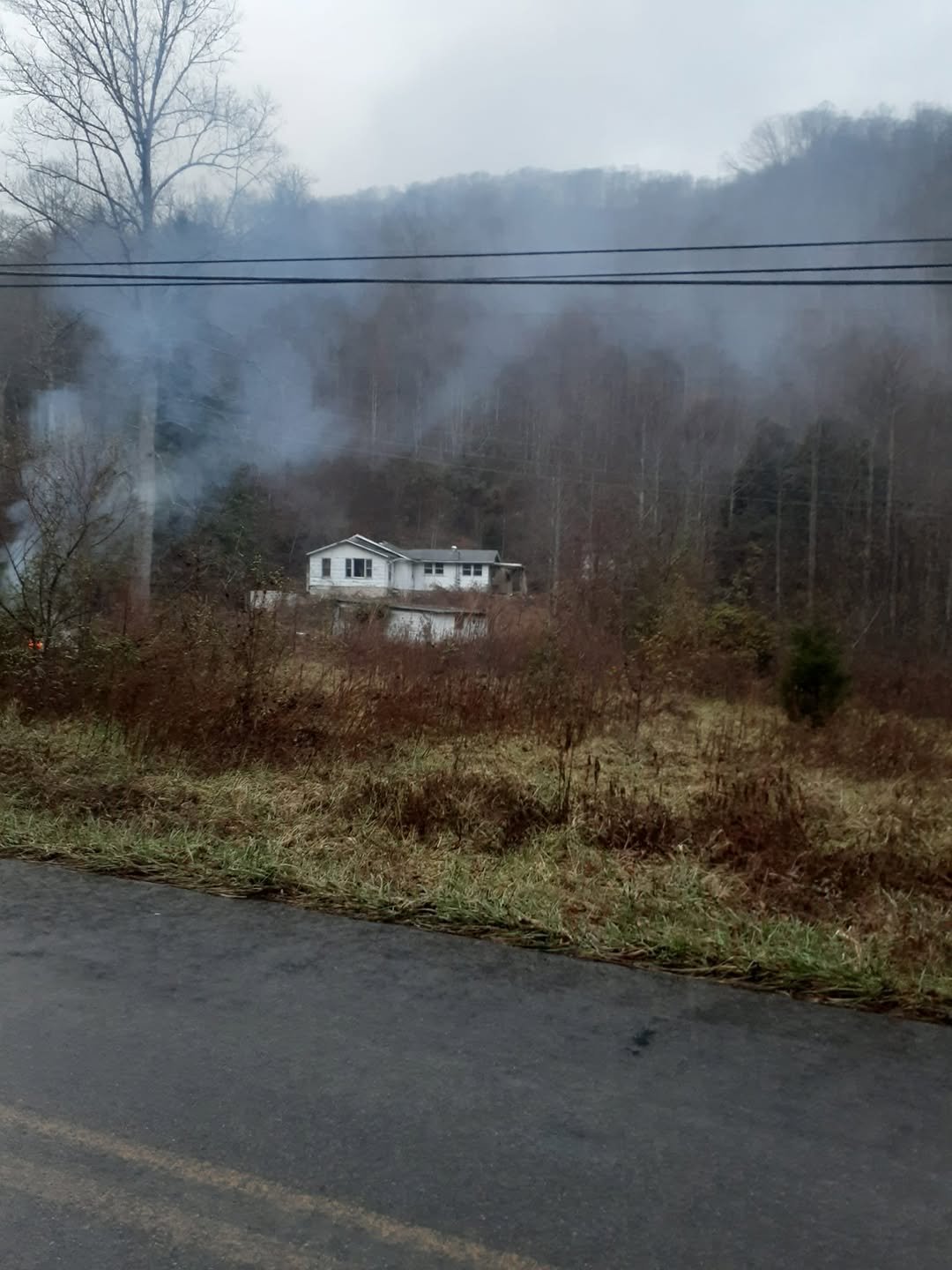

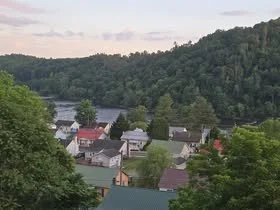
Appalachia faces persistent economic inequality, Nearly 14.3% of the region’s residents live below the poverty line, a rate higher than the national average.
From the coal boom and land exploitation in the 19th century to today’s economic challenges, poverty in the Appalachian region has persisted for generations. Despite federal investments and regional efforts, Appalachia's median household income remains only 82% of the U.S. average.
-
Appalachia's poverty is the result of four reinforcing factors: geographic isolation, a long dependence on extractive industries like coal and timber, corporate and absentee ownership of the region's land and resources, and decades of underinvestment in infrastructure, healthcare, and education. While the region is rich in natural resources like coal, timber, and natural gas, much of the wealth has historically flowed to outside corporations and absentee landowners, leaving local communities with few lasting benefits. This legacy continues to shape the economic landscape today. The region’s rugged, mountainous terrain has also limited access to critical infrastructure like roads, broadband, healthcare, and schools, especially in rural counties. That isolation has a direct economic consequence: when residents cannot easily reach employers, medical providers, or educational institutions, the conditions for persistent poverty take hold and become harder to reverse with each generation. Many communities have relied on low-wage jobs in agriculture, coal mining, and other extractive industries, with few alternatives as these sectors declined.
In Central Appalachia, poverty rates remain high due to isolation from urban growth centers and ongoing economic transitions following the collapse of traditional industries. Combined with structural barriers, these factors have created persistent challenges for families trying to break the cycle of poverty.
-
Between 2018 and 2022, Appalachia saw some modest improvements. The median household income rose to $61,688, but still lagged behind the national figure of $75,149. The poverty rate declined by 2 percentage points, yet remains high in certain areas reaching 20% or more in the most rural counties.
Child poverty is especially alarming. While the overall rate dropped to 19.2%, that still means nearly 1 in 5 children in Appalachia lives below the poverty line. Among young adults ages 18–24, the rate is even higher at 22.1%.
These numbers reflect not just income gaps, but generational cycles of poverty where opportunity is harder to access and harder to pass on.
-
Health Disparities in Appalachia
Access to healthcare remains a persistent challenge in Appalachia. The region experiences significantly higher mortality rates than the national average in key areas such as overdose, suicide, and liver disease. In 2022, the mortality rate for diseases of despair in Appalachia was 105 deaths per 100,000 people, which is 37 percent higher than in non-Appalachian areas.
Overdose remains the leading contributor to this crisis, with Appalachia seeing a rate 53 percent higher than the rest of the country. Suicide and liver disease rates are also elevated, at 18 percent and 12 percent higher, respectively. These numbers are even more severe in Central Appalachia and economically distressed counties.
The lack of healthcare professionals only compounds the problem. In Central Appalachia, the number of specialty doctors is 65 percent lower than the national average. Rural residents often face long travel times to reach basic medical services. This makes local support programs essential. Free clinics, mobile units for dental and vision care, and community health initiatives serve as critical lifelines for those in need.
Educational Inequity in Appalachia
Educational inequity continues to shape the lives of many across the Appalachian region. As of 2022, only 26.7% of adults in Appalachia have earned a bachelor’s degree, compared to 34.3% nationally. In some subregions, such as Central Appalachia, the gap is even wider, with bachelor’s degree attainment more than 19 percentage points below the national average. While high school graduation rates are now nearly on par with the rest of the country, limited access to higher education, persistent underfunding, and geographic isolation still leave many students without the resources to succeed. And for low-income families, the digital divide and financial pressures at home often force young people to prioritize work over education, reinforcing cycles of poverty across generations.
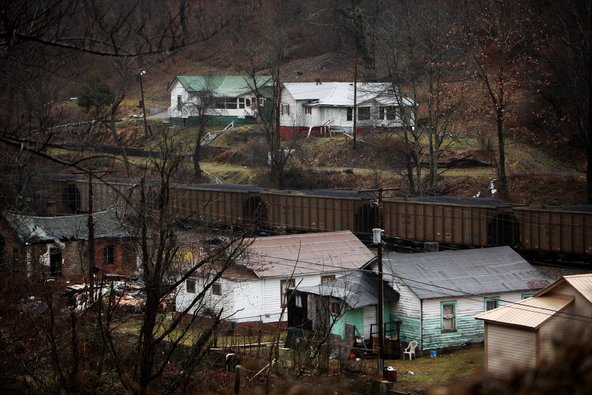
Maps
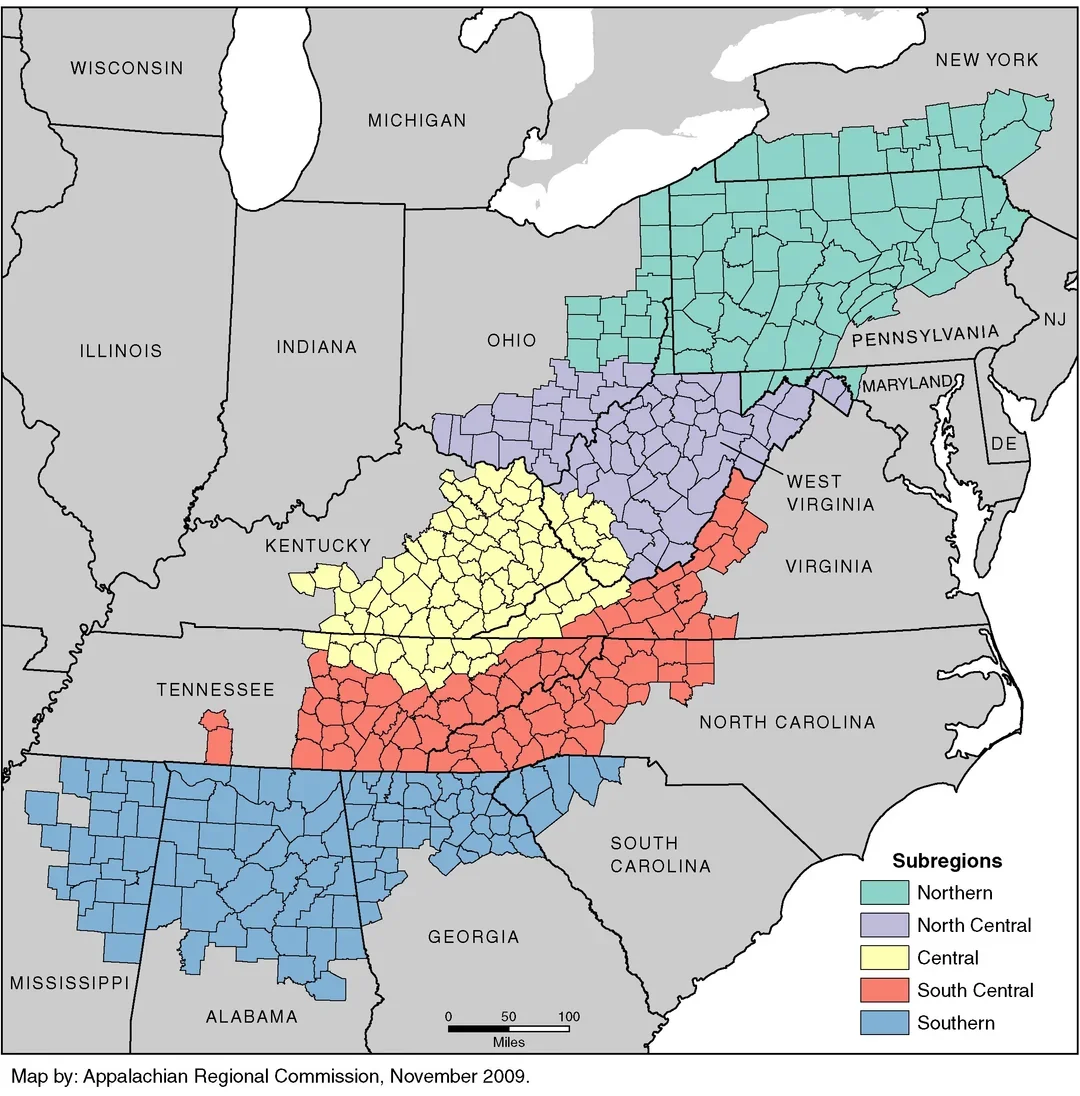
This map shows the Appalachian Region divided into five subregions: northern, north central, central, south central, and southern Appalachia.
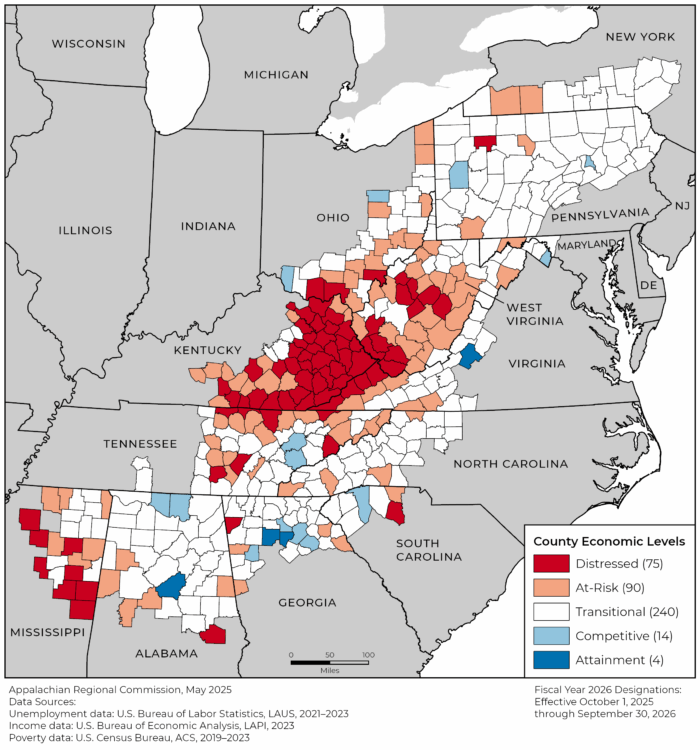
This map shows ARC’s economic classification of the 423 counties in the Appalachian Region for FY 2027 (October 1, 2026 through September 30, 2027).
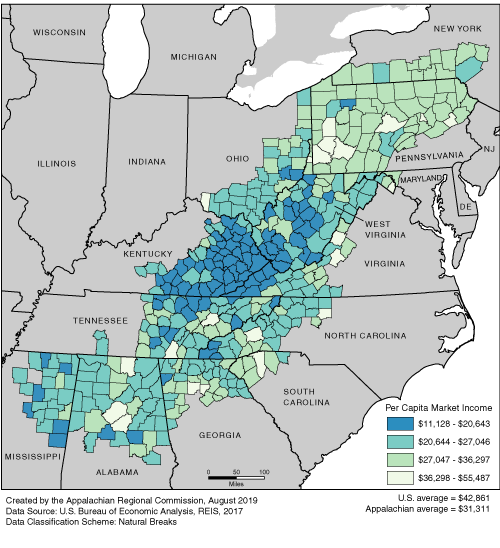
This map shows the per capita market income rate in each of the ARC counties.

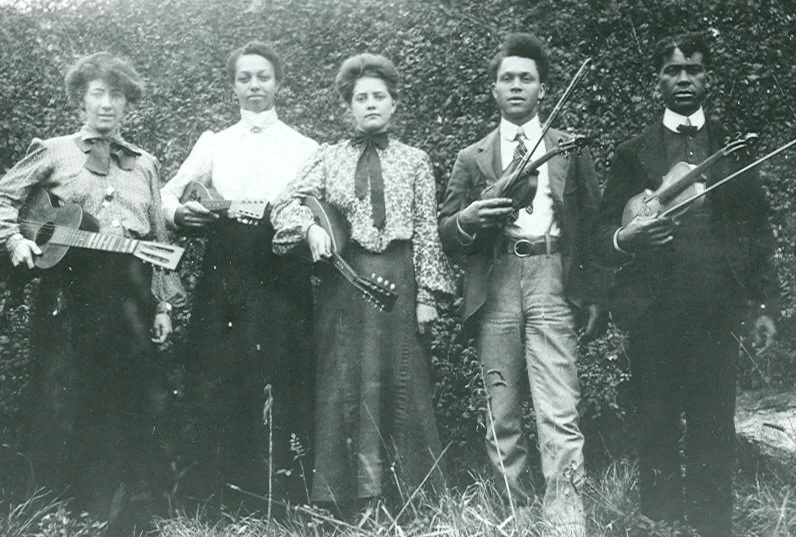
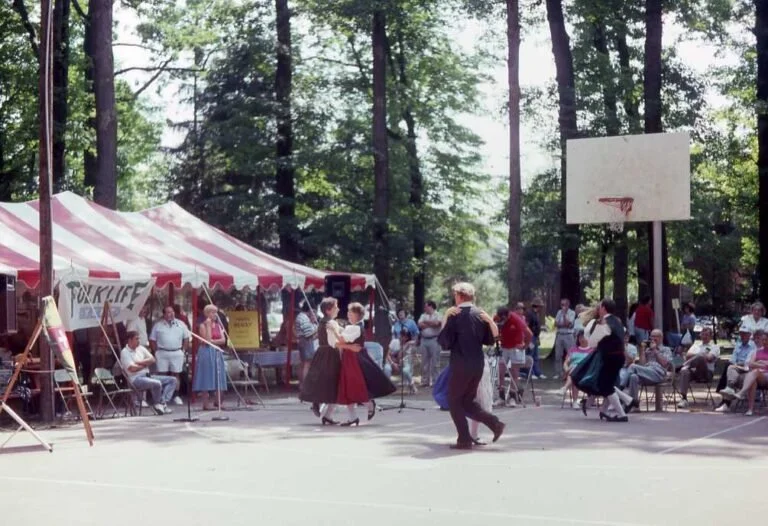
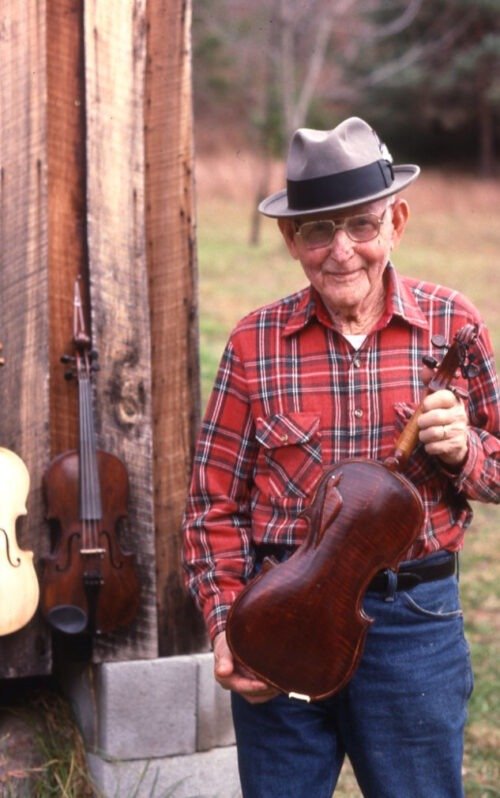
Art & Culture
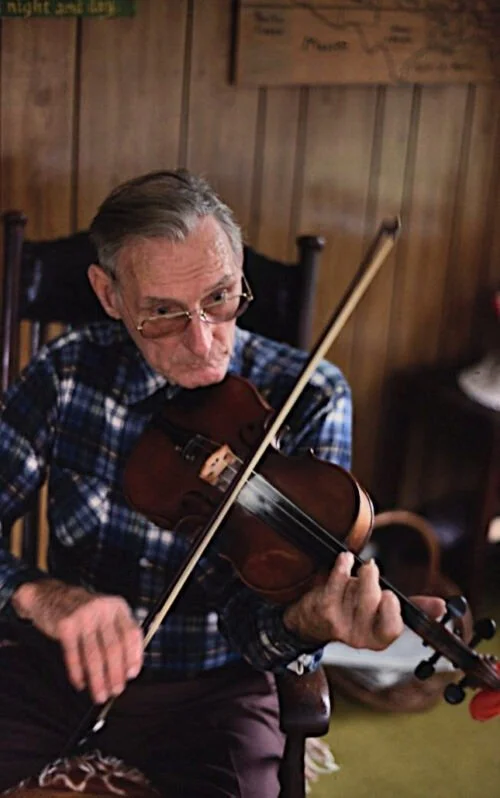
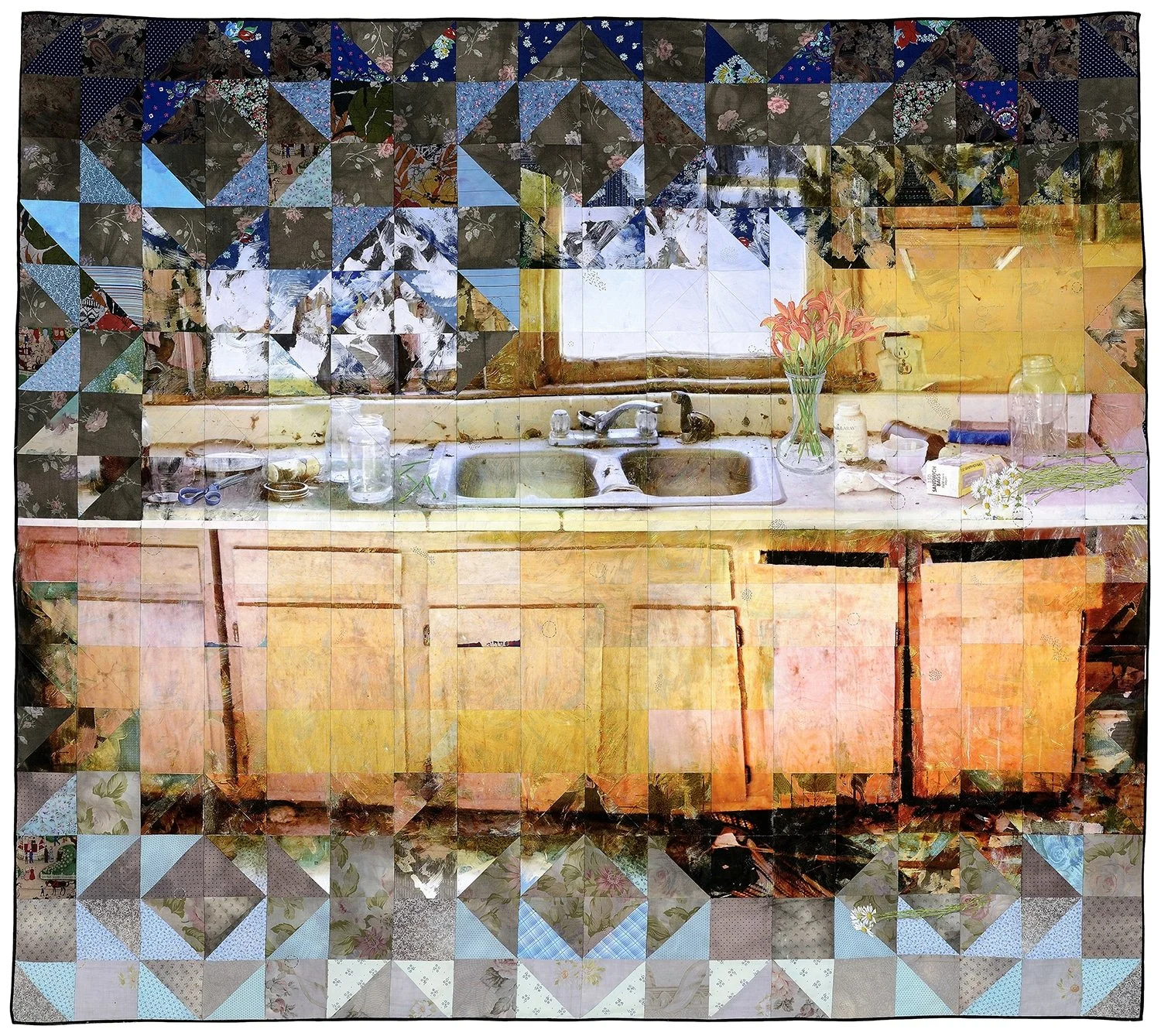
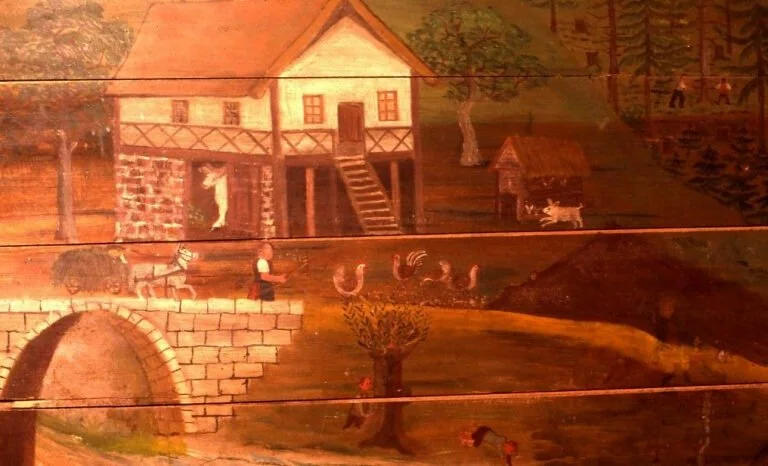
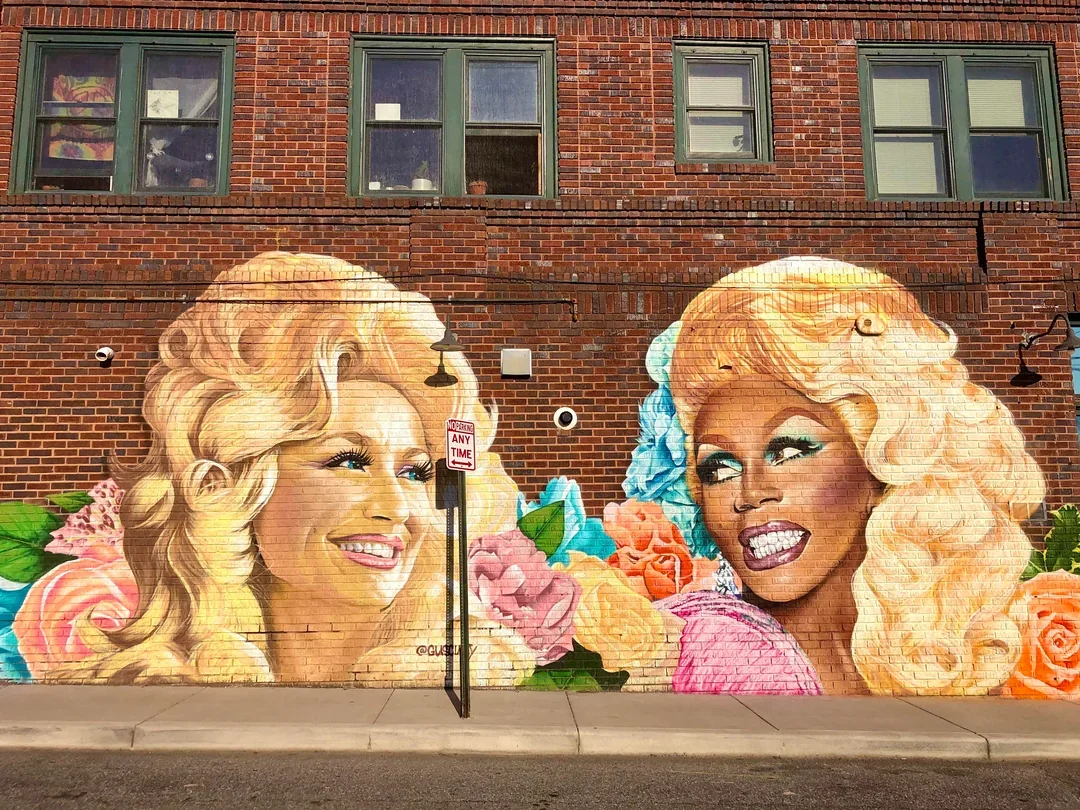
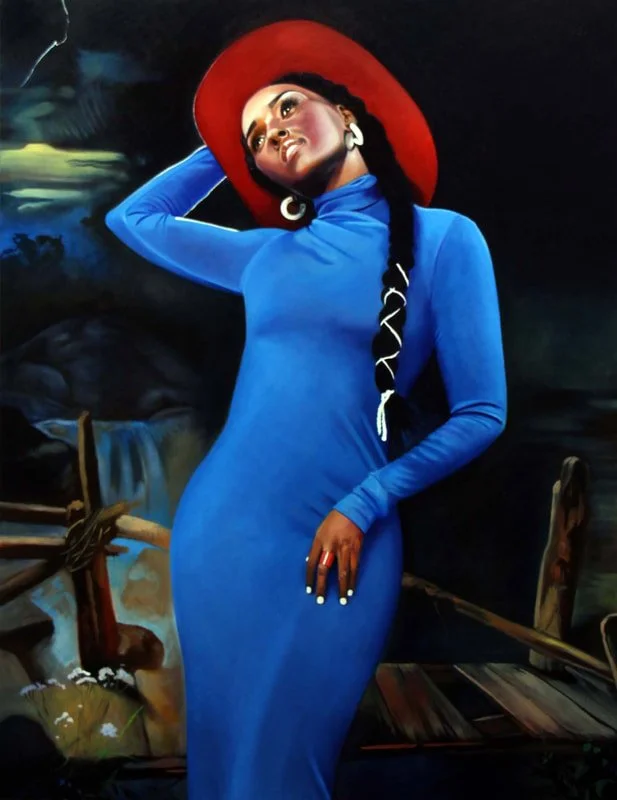
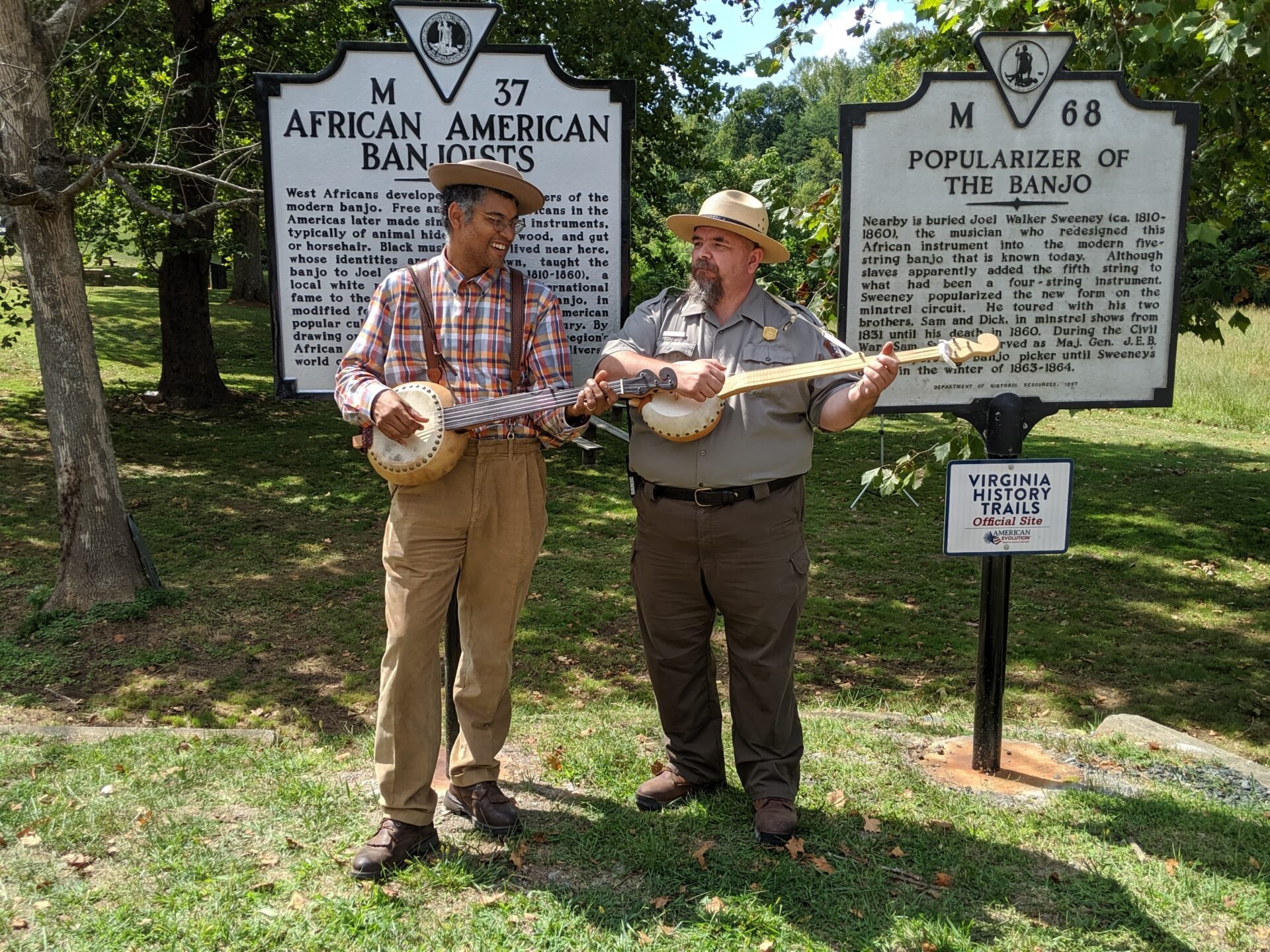

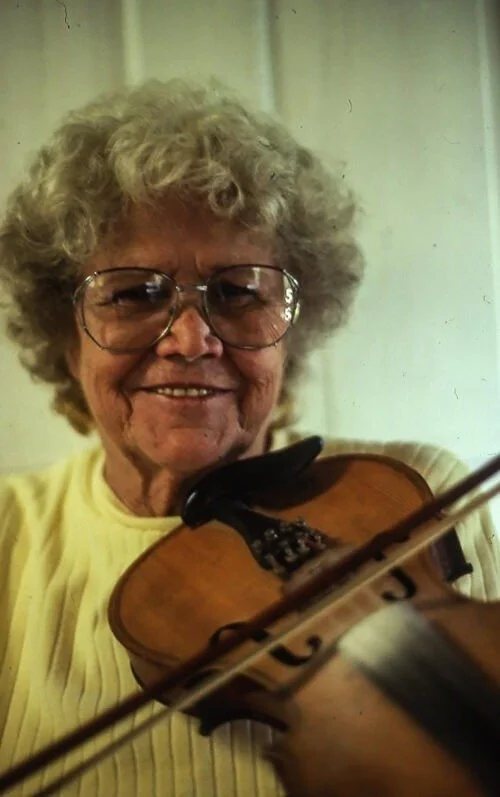
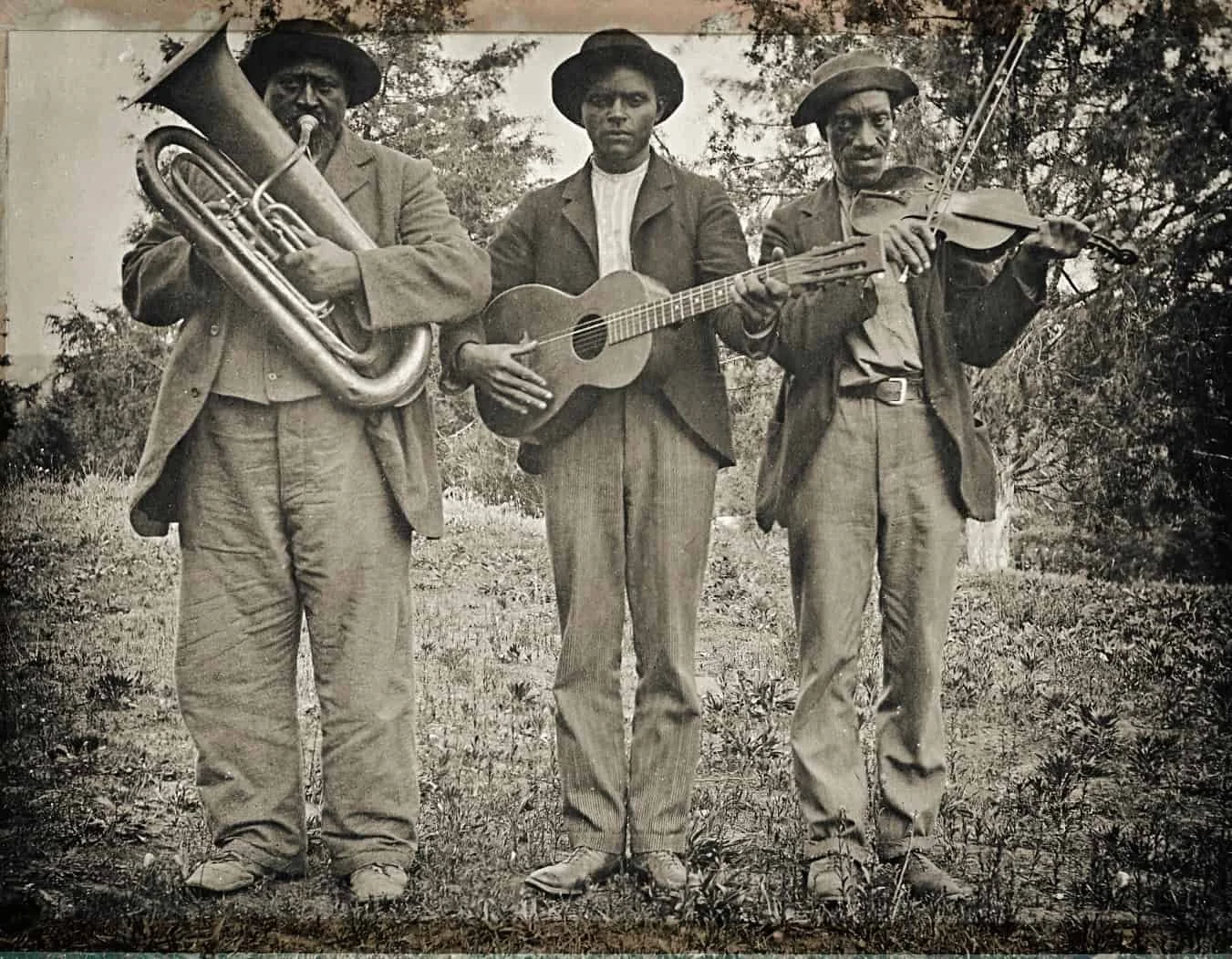
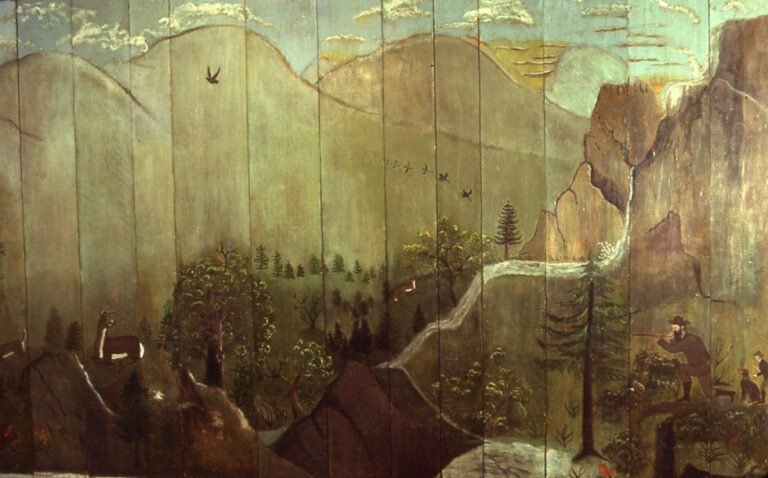
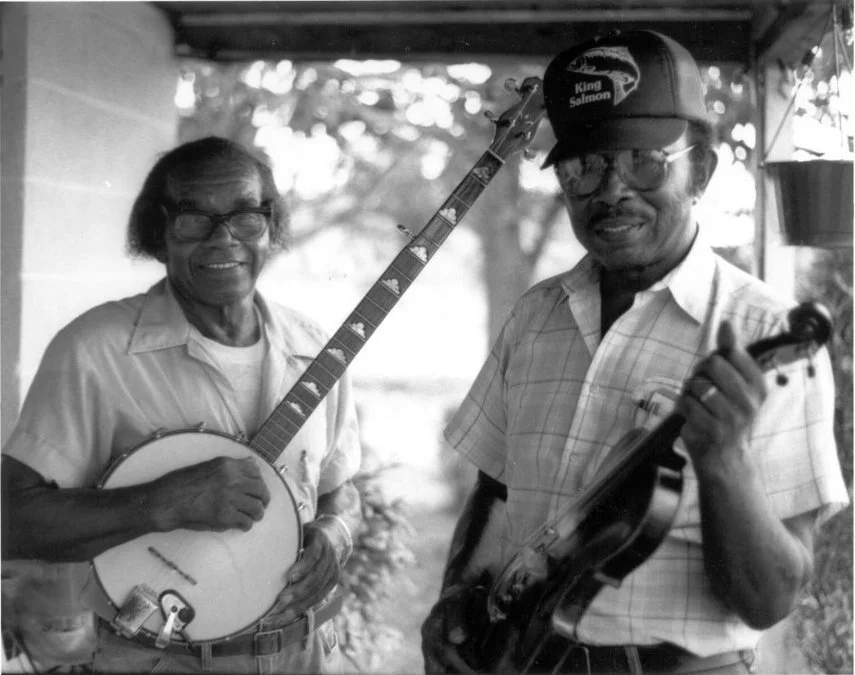
The Augusta archive is a collection of music recordings, photographs, and oral histories. This wealth of cultural knowledge, spanning nearly 100 years, can now be streamed for enjoyment and study. The Augusta Collection is a living archive and will grow as material is digitized and collected from the field.
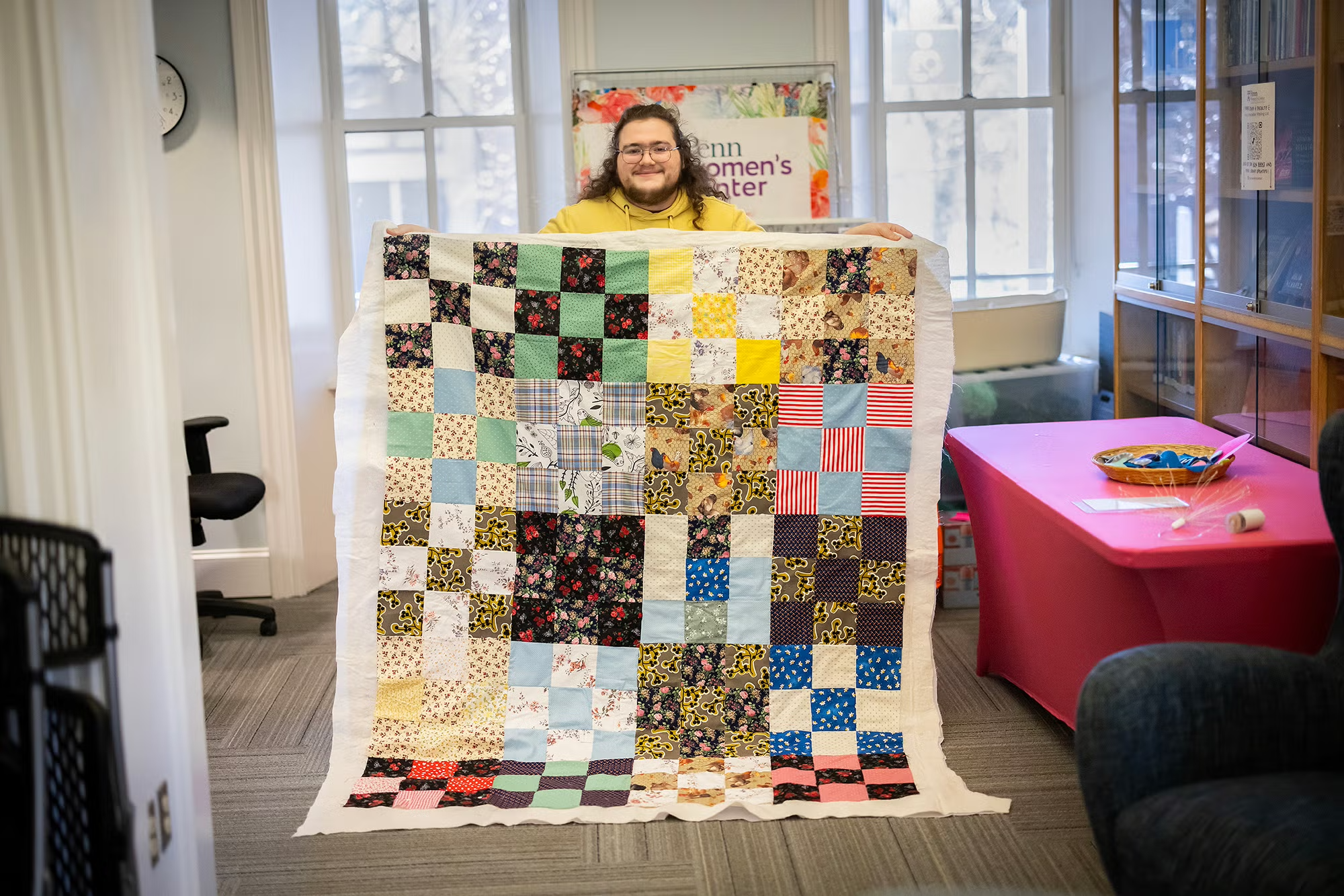
One quilt, one person, one video camera, three minutes = another quilt story saved!
"Go Tell It at the Quilt Show!" is a Quilt Alliance project designed to preserve the stories of quilts and their makers
For the last 40 years, Appalachian Heritage has been studying over a storm, or maybe it has been calling one up. Each lead editor has, in turn, issue by issue, gathered people together to share their tales. And as we listen to these conversations, we can hear Appalachia’s evolving story—one that Appalachian Heritage has nurtured, widened, and deepened."
The Saga of the Scots-Irish in Appalachia
Poverty, famine, a dream of freedom….these things drove scores of people from Ireland to the new world. But I’m not talking about the blight and the desperate masses flocking to New York, Boston or Chicago.
The Irish poor I am talking about came to our shores over 300 years ago. And the place they found refuge was the misty mountains of Appalachia.
So where are the Scots-Irish today? All over the country, frankly. However the home of the culture they created is still of course Appalachia.
For instance, today, North Carolina has the largest percentage of Scots-Irish ancestry of any state, with 2.9% of the population claiming the heritage. South Carolina and Tennessee follow at 2.4%.
The isolation, and frankly the poverty, of Appalachia made for a unique distillation of elements:
Appalachian quilts tell stories in each design.
Appalachian foods like chow-chow, hoecakes, chicken fried steak, biscuits and gravy and fiddleheads are loved by millions, not to mention Appalachian moonshine!
Appalachian fiddle music and blue grass lifts us up and connects people directly to generations long gone. Buck dancing echoes the Irish folk dances of 300 years ago.
By USA Kilts
And Their Influence on Art & Culture
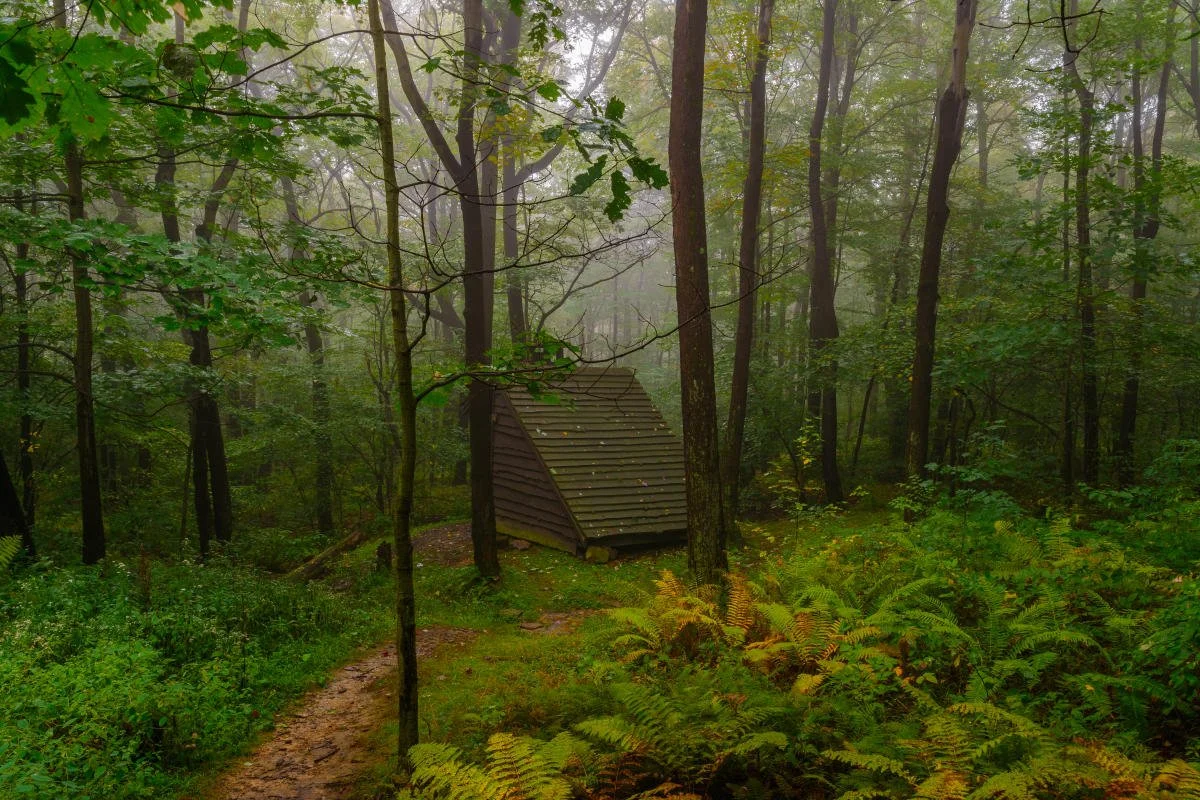
Our Forest:
Laurel Highlands
The Laurel Highlands is a stunning, 3,000 square-mile mountainous region in southwestern Pennsylvania. Located just one to two hours east of Pittsburgh, the area spans Fayette, Somerset, and Westmoreland counties.
More Resources:
-
Queer and Appalachian: Exploring LGBTQ+ Life in West Virginia:
https://allthegenders.org/queer-and-appalachian-exploring-lgbtq-life-in-west-virginia/
“Y’all Means All”: Redefining Queer Folk in Appalachia:
https://southernreviewofbooks.com/2022/09/12/yall-means-all-z-zane-mcneill-interview/
“Well, We’re Fabulous and We’re Appalachians, So We’re Fabulachians”:
https://www.southerncultures.org/article/well-fabulous-appalachians-fabulachians/
Country Queers
https://www.countryqueers.com/
LGBTQ Fiction and Poetry From Appalachia:
https://research.ebsco.com/c/npmlsg/search/details/puelydaiob?request-context=plink&db=e091sww
Queer Appalachia: Where we Belong
https://www.berea.edu/gravy/queer-appalachia-where-we-belong
-
Portraying Appalachia: How the Movies Can Get it Wrong:
https://www.bowdoin.edu/news/2017/06/portraying-appalachia-how-the-movies-can-get-it-wrong.html
Barbara Kingsolver and the Dehumanization of the Appalachian People:
Barbara Kingsolver, author of The Poisonwood Bible and Bean Trees, discusses her experience as an Appalachian woman and the dehumanization of the Appalachian People on the NYT Ezra Klein Podcast. If you’re looking for a quick overview of her key points, check out this article.
-
Human Rights in Appalachia: Socioeconomic and health disparities in Appalachia:
Appalachian Poverty: Causes, Impact, and Solutions:
https://helpingamericans.org/addressing-poverty-in-appalachia-and-exploring-solutions/
New Data Reveal Appalachia’s Economic Improvements, Key Vulnerabilities Compared to the Rest of the U.S. Economy:
https://www.prb.org/resource/acs-chartbook-2025/
Review: Book Details the Overlooked Experience of Black People in Appalachian Coal Camps:
-
The Whitewashing of Appalachian Music & Dance:
https://thinkingdance.net/articles/2022/01/22/the-whitewashing-of-appalachian-music-dance/
Keeping Tradition Alive: Taking Steps to Preserve Appalachian Folk Culture
-
The Overalls Club Movement of 1920:
https://www.appalachianhistory.net/2017/12/overalls-club-movement-of-1920.html
Appalachian Americans Facebook Group: